With a focus on sustainability and craftsmanship
Our vision is to provide a high-quality product with as little environmental impact as possible, utilizing craftsmanship and natural raw materials. To achieve this, we operate according to our core values of sustainability and craftsmanship, and of course, our environmental policy. Our sustainability efforts intensified in earnest 35 years ago, and here we describe some key milestones over the years.
Craftsmanship
As a quality-driven company, we value knowledge in every part of our operations. Since 1873, we have developed a truly unique “hand-feel” and a knowledge base that is difficult to find elsewhere. Our promise to you as a customer is to share our experience and knowledge by delivering the highest quality in both materials and craftsmanship.
Sustainability
It is actually quite simple. The Earth was here before us, not the other way around. Therefore, we conduct our business in accordance with the best eco-friendly methods and with great respect for both nature and humanity. We take responsibility for our part in nature’s cycle and will continue to seek new ways to increase our knowledge and make our operations even more sustainable.
Commitment
After more than 150 years in business, we possess a unique knowledge of leather. We are always enthusiastic about bringing that experience to create new innovations and develop new premium products together with our customers.
Vegetable-tanned premium leather with proven sustainability – chrome-free, traceable, and certified
- Vegetable-tanned (chrome-free)
- Low levels of harmful substances
- Swedish hides: clear origin
- Option for traceable leather
- Water-based finish
- Residual flows are utilized (less waste)
- Fossil-free electricity and energy transition
- 93% lower CO₂ emissions to air
- Sustainability-certified subcontractors
35 years of environmental work
Vegetable-tanned leather has been our focus since 1873. Thirty-eight years ago, we set new goals to produce leather that is as natural as possible and with the minimum possible environmental impact. This work continues today. Here are some of the highlights along the way.
1988 – Discontinued chrome: fully vegetable tanning.
1988 – Phasing out of environmentally harmful chemicals; water-based finish.
2005 – Leather testing for hazardous chemicals begins
2007 – Residual flows are utilized (district heating, biogas, etc.).
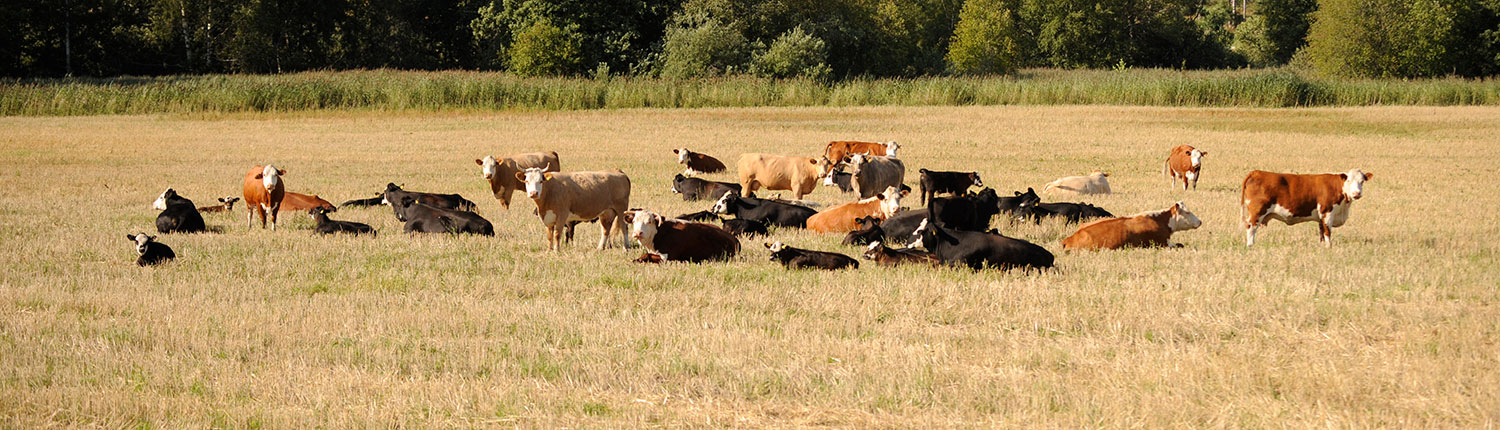
2012 – Only Swedish hides for better control and animal welfare.
2014 – Transition to fossil-free electricity.
2014 – Full traceability
2015 – Only sustainability-certified suppliers of tanning agents.
2016 – Energy mapping for reduced consumption and emissions.
2019 – Switch from oil to fossil-free energy: 93% lower CO₂ to air.
2022 – Only cultivated and certified tanning agents
Ongoing – Testing with Swedish tanning agents is underway.
This post is also available in: