Long Reining – Working the Horse on Reins
Educating and training horses from the ground has long been a natural part of horse culture. When working with one or two reins, you adapt the approach to the horse’s age and its mental and physical condition.
Long reining can serve several purposes. It is often used in basic training, as preparation for breaking in or driving, as a variation in training, and during rehabilitation.
Through clear and consistent communication, based on modern learning theory, you can help the horse develop both mental and physical balance – regardless of breed or future task.
Why Train Your Horse with Long Reining?
All horses are unique individuals with different prerequisites. Therefore, education and training always need to be adapted to each horse. A well-thought-out and gentle education, without coercive methods, promotes well-being and can also prevent various health problems.
Communication and Balance
When the horse works without a rider, it can move more freely. In this way, we can gymnasticize and develop the horse’s balance.
By working dismounted, you learn to read your horse’s signals, which also strengthens the interaction with your horse.
The Young Horse
Working from the ground and on reins leads not only to a trusting and good interaction but also to being able to prepare and train the horse before it is physically mature enough to carry a rider.
Creates Variation in Training
Variety increases motivation and contributes to a sustainable horse. Long reining therefore serves as a valuable complement to both riding and lunging.
Rehabilitation
After rest or injury, well-planned long reining offers the opportunity to gradually rebuild strength – if done in a controlled and gentle manner.
Equipment for Long Reining
The right equipment provides better conditions for safe and harmonious work.
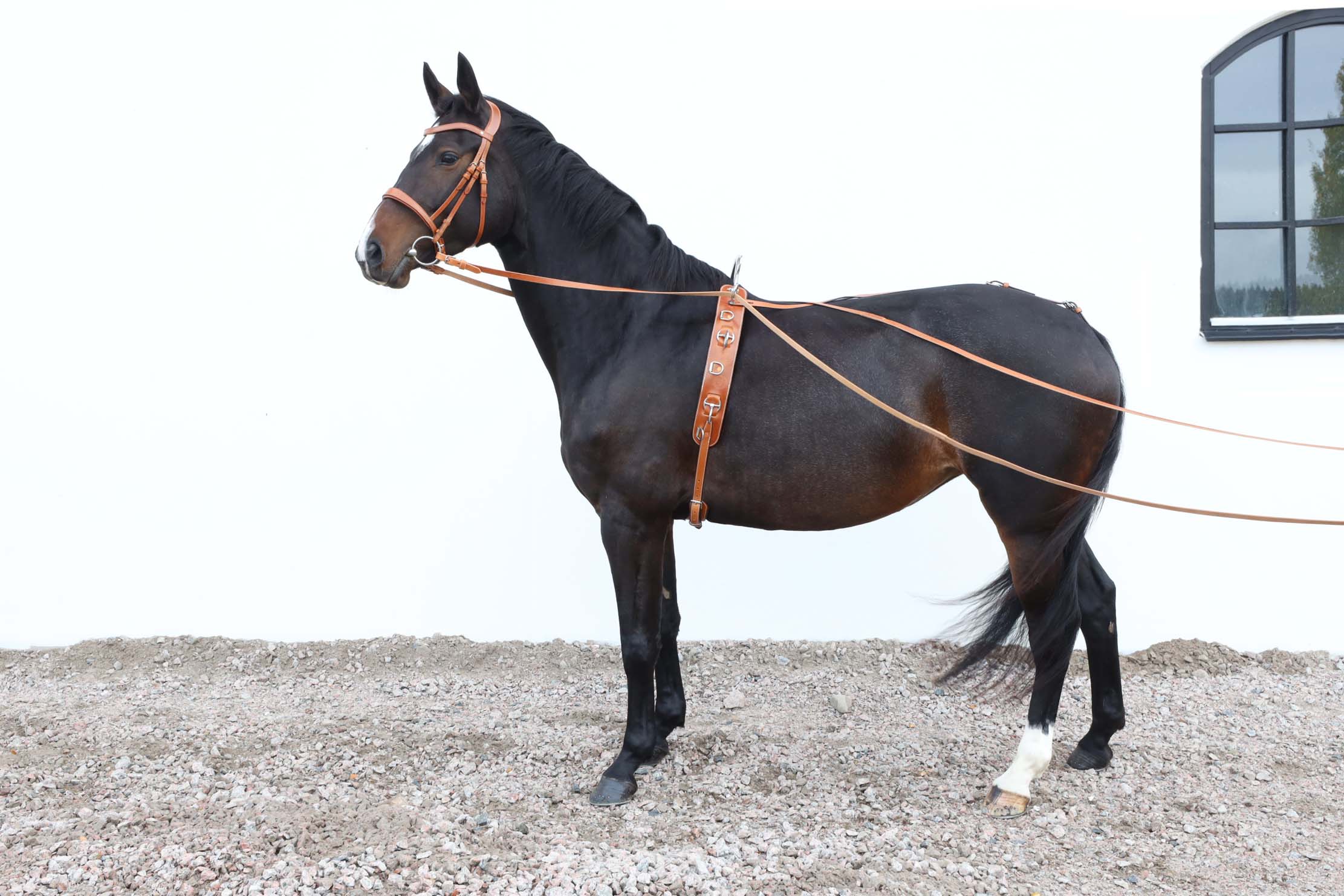
Reins
The reins are your most important tool. Choose reins with sufficient length, appropriate weight, and a feel that makes them easy to work with.
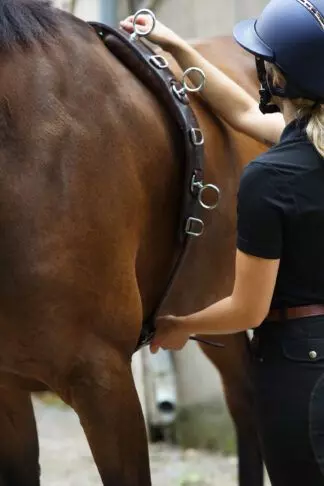
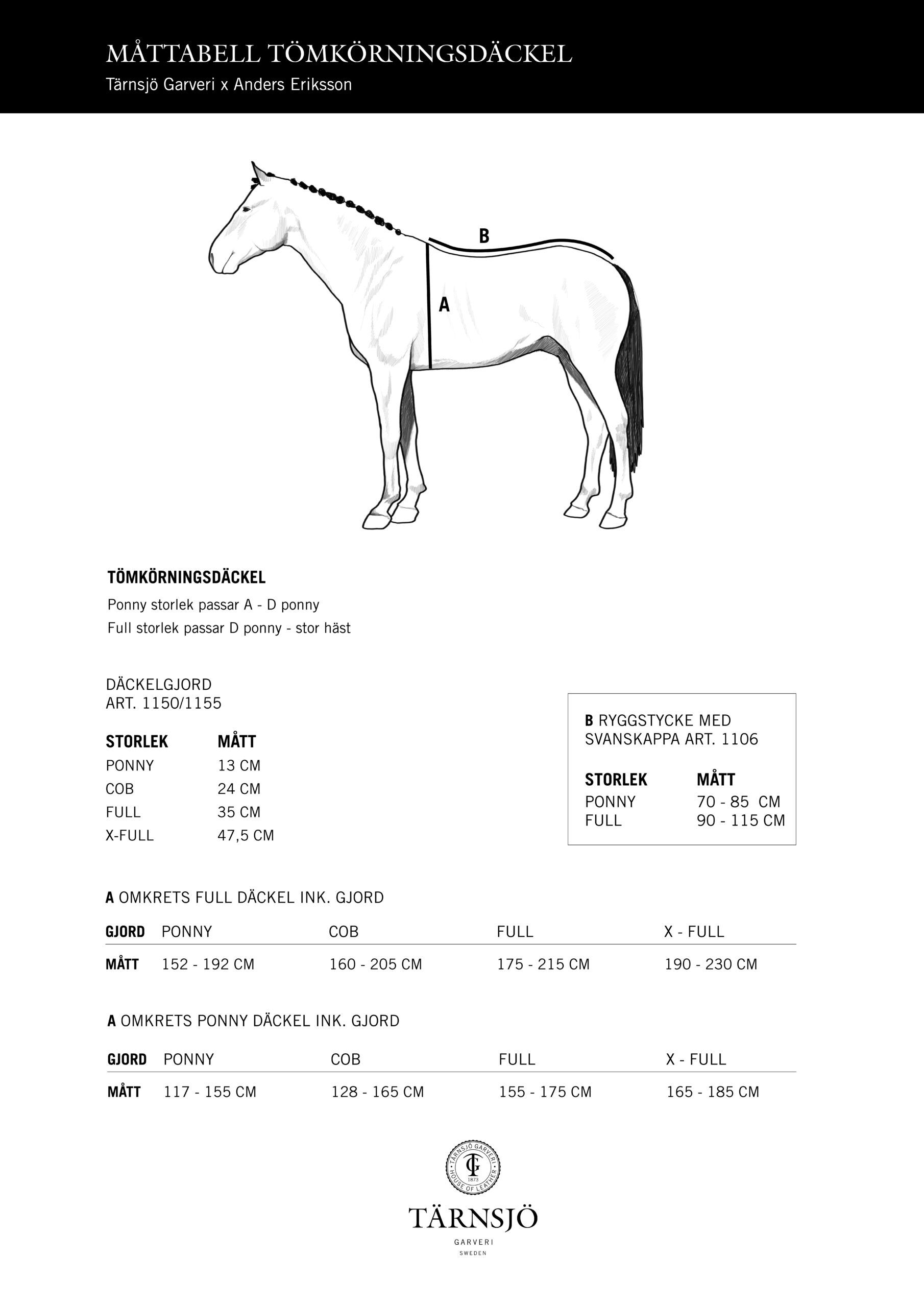
Surcingle and Girth
A well-designed long reining surcingle or girth should lie stably without pressing on the wither or spine. This increases the horse’s comfort and improves the conditions for a good result.
Backpiece with Crupper
A backpiece can help the girth stay in place and prevent the equipment from sliding forward. When the equipment lies stably, the work becomes both more comfortable and harmonious for the horse.
Bit or Cavesson
Bits are a complex subject, but remember that the horse must always be as comfortable as possible with the bit. You can attach the reins to a bit or a bitless alternative, such as a cavesson. The choice should always be based on the horse’s training level and individual needs.