LEATHER CARE

With the right care and maintenance, vegetable-tanned leather ages naturally,
develops a beautiful patina and lasts for generations.

A CERTIFICATE OF AUTHENTICITY
Scars, tears, neck wrinkles, insect bites, etc. are natural traces from the animal’s life in the wild.
They do not affect the leather’s durability, but are a certificate of authenticity.

The colour tone of vegetable-tanned leather changes when exposed to sunlight.
Do not place leather furniture in direct sunlight.
Warm, dry air dries out the leather if it is not treated
regularly.

MAINTENANCE

We recommend Leather Masters
Protection Cream to protect the leather.
For the manufacture of furniture and interior design
we recommend treating the leather
before the product is used.
Use a very small amount
of leather oil or leather grease if needed. Greases
can change the feel of the leather and give it a
darker shade. We recommend Tiptop
leather balm, a natural grease that
contains coconut fat, beeswax and lanolin.

CLEANING

For cleaning the leather, we recommend
Leather Master Soft Cleaner or a
mild leather soap. Some chemicals affect
the leather’s finish and make it duller. Therefore,
always test a cleaning product on
a small hidden area before using
it to clean a larger area.
If you have questions regarding specific stains,
contact Leather Master for guidance.

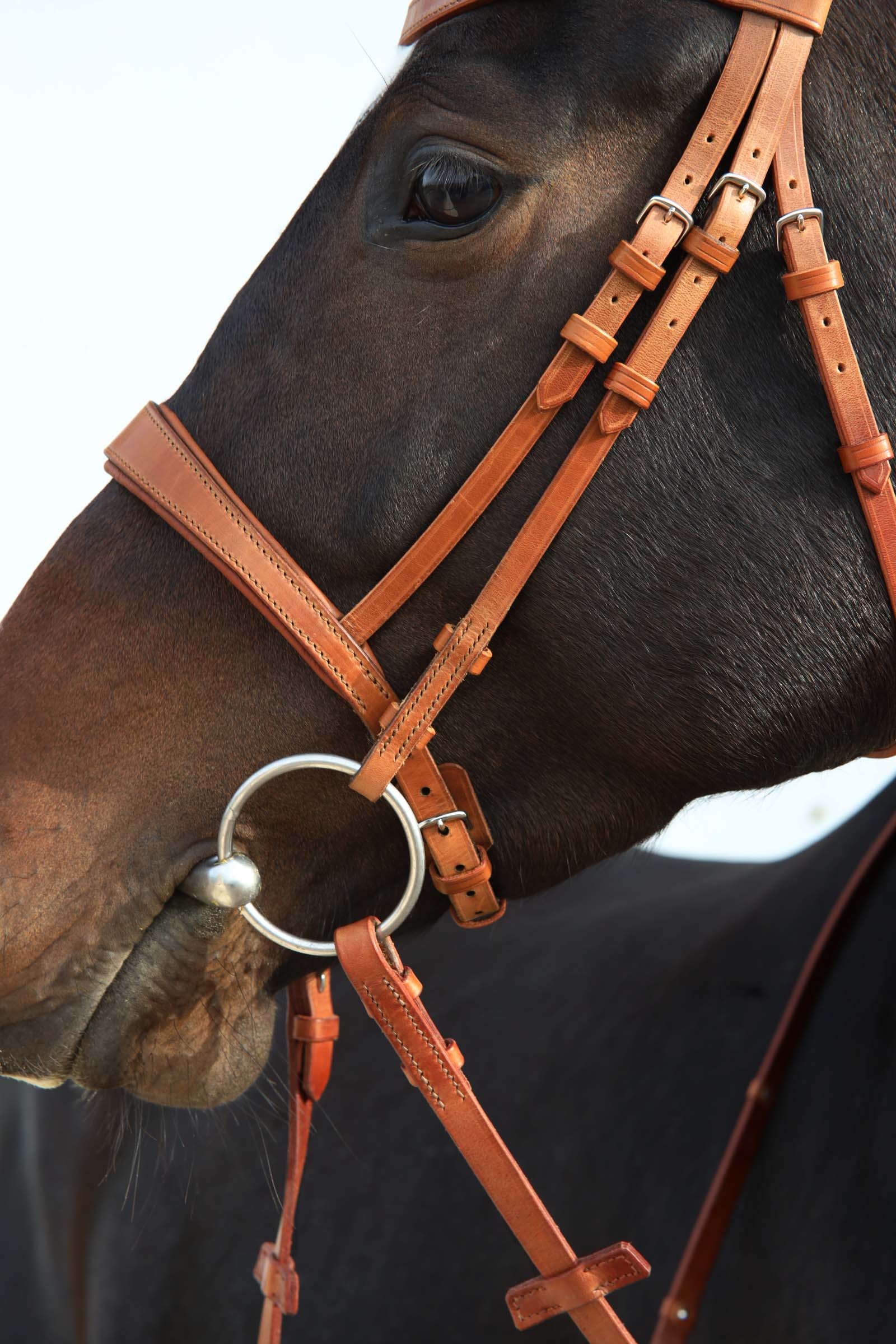
EQUESTRIAN PRODUCTS

Wash as needed with lukewarm water and leather soap.
The leather has already been greased during the tanning process, which means that additional treatment can usually be kept to a minimum.

Use oil or grease very sparingly. Too much treatment can affect both feel and function.

Driving reins must not be greased or oiled. Excess grease makes them both heavier and more slippery, which impairs grip.

Long-reining reins are intended for long reining and must not be used for driven work with a rider.

This post is also available in: Swedish